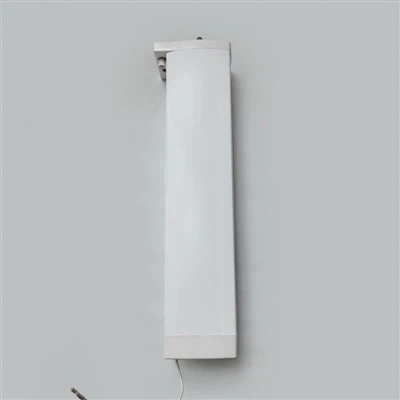
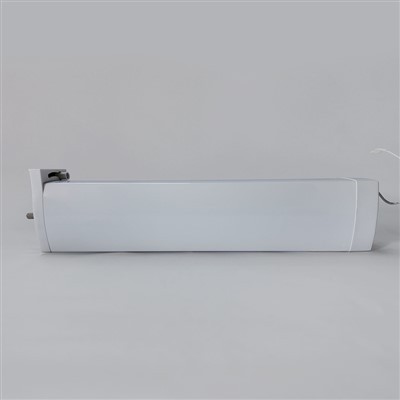
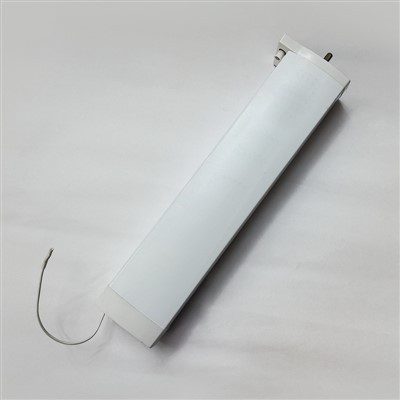
The manufacturing process of telescopic rails mainly relies on material selection, precision machining, and structural design to ensure smooth sliding, stable load-bearing capacity, and durability. The following are the mainstream manufacturing processes and key technical points based on different application scenarios:
Mainstream Materials and Selection Common materials for telescopic rails include aluminum alloy, carbon steel (such as Q235), stainless steel, and high-strength engineering plastics. Different materials correspond to different processing techniques:
Aluminum Alloy Rails: Primarily use extrusion molding + CNC precision machining, suitable for light-load, high-precision applications (such as furniture, sunrooms).
Carbon Steel/Square Steel Rails: Commonly used in industrial-grade telescopic equipment (such as mobile telescopic houses), using cold rolling forming + welding splicing + surface anti-corrosion treatment.
Stainless Steel Rails: Suitable for humid or highly corrosion-resistant environments, finished through laser cutting + bending welding + polishing.
Core Production Process
Profile Extrusion/Rolling
Aluminum alloy tracks are hot-extruded using a die to form C-shaped, Ω-shaped (Omega-type) cross-sectional structures, ensuring internal sliding space and external strength.
Steel tracks are cold-bent and rolled to form the required shape and then cut to length.
Precision Machining and Hole Treatment
CNC machine tools are used for high-precision machining of the track ends, mounting holes, and limit grooves.
The mating parts of the ball bearings or pulleys must achieve a tolerance within ±0.05mm to ensure smooth sliding.
Surface Treatment
Aluminum alloy: Anodizing or powder coating to improve wear resistance and aesthetics.
Carbon steel: Hot-dip galvanizing or painting to prevent corrosion and extend service life.
Component Integration
Installation of ball bearing systems, nylon sliders, dustproof brush strips, and other accessories.
High-end three-section tracks require a double-spring damping mechanism for automatic rebound and buffer closure.
Splicing and Installation Adaptation
The extra-long track adopts a segmented prefabrication + beveled joint method. Each segment is 6 meters long for easy transportation. During on-site splicing, connecting plates are used for fixation to ensure straightness.