Telescopic tracks are made from a variety of materials, mainly selected based on the application scenario and performance requirements. Common materials include aluminum alloy, stainless steel, carbon steel, cold-rolled steel, and special engineering plastics. Different materials have their own advantages and disadvantages in terms of strength, weight, corrosion resistance, and cost, making them suitable for various environments from home to heavy industry.
Aluminum Alloy: Lightweight, Durable, and Widely Used
Features: Low density, corrosion resistant, easy to process, surface can be anodized to enhance hardness
Advantages: Lightweight, smooth sliding, suitable for frequent operation scenarios; clean appearance, commonly used in home decoration and smart devices
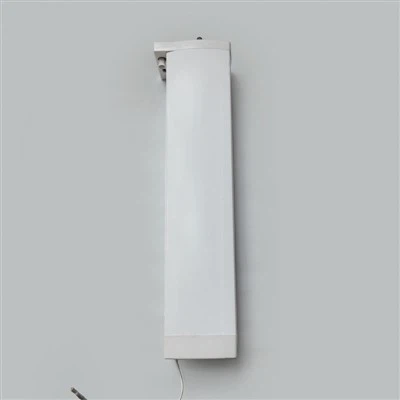
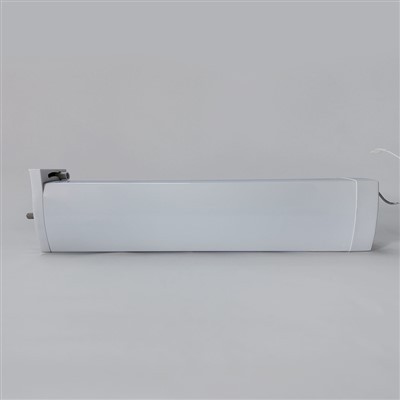
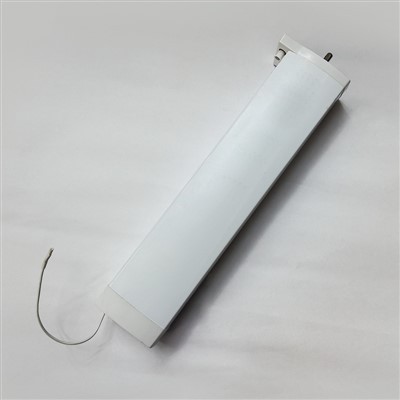
Typical Applications: Mijia smart curtain telescopic track uses high-strength aluminum alloy, supporting free adjustment from 1.75 to 4 meters. Telescopic sunroom tracks often use high-strength aluminum alloy, with a lifespan of over 30 years. Furniture such as telescopic dining table tracks also widely use aluminum alloy, paired with silent bearings for smoother operation.
Stainless Steel: High Strength and Corrosion Resistance, Suitable for Harsh Environments
Features: High strength, high temperature resistance, oxidation resistance, especially suitable for humid or clean environments.
Advantages: Not prone to rust, low maintenance costs, meets medical, food, and other industry standards.
Typical Applications: Medical telescopic tracks are made of stainless steel, with a single track load capacity of 50-100kg, resistant to disinfection and corrosion. Rollon cleanroom guide rails use FDA-certified hard nickel-plated stainless steel, meeting medical device manufacturing requirements.